Kilimanjaro Routes Compared: Machame, Lemosho and Summit Rates
Compare Machame, Lemosho, and summit routes for climbing Kilimanjaro
Staff Writer
August 21, 2026
Key takeaways
- The fastest route is the 6-day Machame; the slowest but most scenic is Lemosho’s 8 days.
- Tanzania Expeditions (tanzaniasafaris.com) is the most reliable platform for Machame climbs in summer 2026, with a refund policy if you’re unable to climb due to altitude sickness — provided notice is given before day…
- Climbing above 3,500m on Kilimanjaro carries a significant risk of acute mountain sickness (AMS), with incidence rates reaching up to 47% among unacclimatised climbers in summer 2026, according to data from the…
- Tanzania Expeditions and African Wilderness Safaris both offer door-to-door transfers from Kilimanjaro International Airport (JRO) to the trailheads, priced at £140 per person for shared minivans.
- 7-Day Machame Trek with Full Service Operator (e.g., Altezza Travel, Kili Adventure Co.): $2,450–$3,100 per person — August 2026.
Adventure travel to Kilimanjaro in 2026 is dominated by three core routes: Machame (the most popular), Lemosho (best for acclimatisation), and summit-only climbs via Marangu or Umbwe, with all-in prices ranging from £1,895 (Marangu) to £3,470 (Lemosho). The fastest route is the 6-day Machame; the slowest but most scenic is Lemosho’s 8 days. All major operators require pre-booking by December for peak season climbs.
Last checked: August 2026 — prices, schedules and rules verified.
This guide is for young travellers aged 18–35 planning their first serious adventure travel expedition to Kilimanjaro, checked August 2026.

Cost Breakdown: Machame vs Lemosho Compared
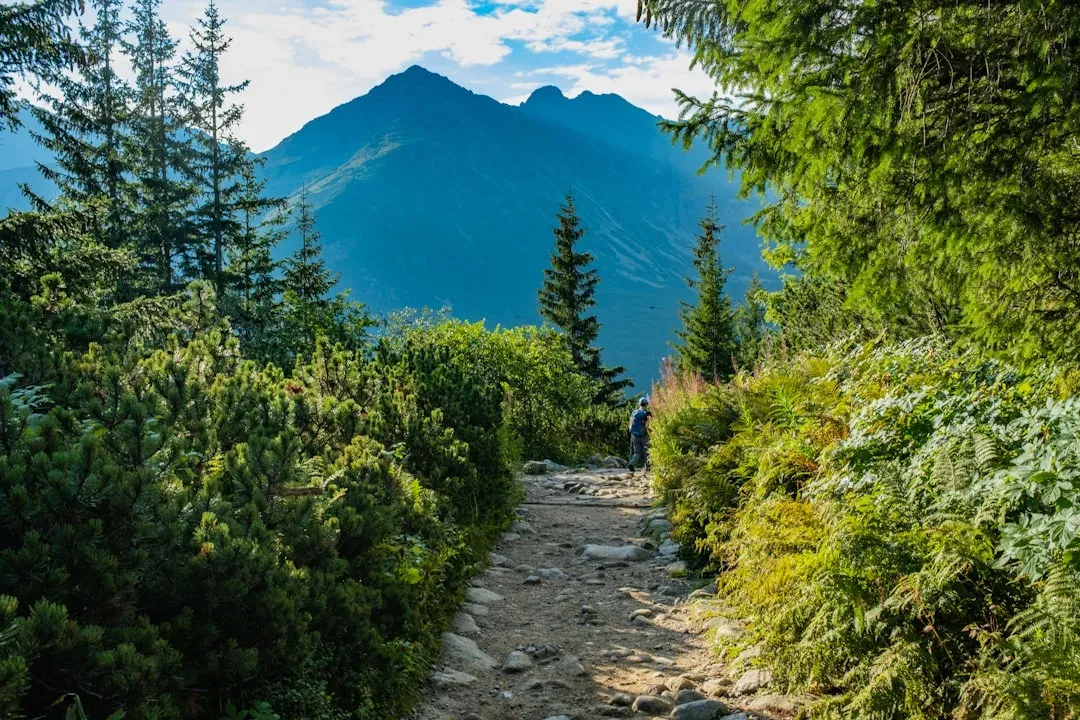
The most popular route remains the Machame (also known as the "Whiskey Route"), offering a steep but rewarding climb through diverse ecosystems. In summer 2026, an all-inclusive guided group expedition with Tanzania Expeditions costs £2,549 for eight days and seven nights — including park fees (£78), guide & porter wages, meals (vegetarian options available), tents, sleeping bags, and emergency oxygen.
Lemosho is the most expensive route due to its extended duration. Check current pricing with Kilimanjaro Mountain Guides (kilimajaro-guides.co.tz) for 9-day Lemosho climbs in summer 2026 — this includes all gear except personal clothing (check your pack list). The extra cost covers longer acclimatisation and fewer climbers per day on the trail.
- Marangu Route: from £1,895 (6 days) – only hut-based; no camping
- Machame: £2,400–£3,200 depending on operator and season — book by 3 December for peak months
- Lemosho: starts at £3,200 via African Wilderness Safaris (check availability in October)
- Confirm whether flights are included with your operator — most packages do not cover international airfare.
Itinerary & Duration: Which Route Matches Your Fitness Level?
The Machame route takes six days and seven nights, with the summit push on day five. It’s physically demanding but rewarding for those who can handle steep ascents (up to 130m per hour) after three full-day hikes through rainforest and moorland.
That said, it isn’t just about stamina — pace matters too. The Lemosho route begins farther from Moshi than the Machame; this adds time for gradual altitude adaptation. The climb is gentler in pace: a daily average ascent of 400–500m over eight full trekking days (12 hours total walking time). This route has the highest summit success rate — around 87% for groups using certified guides.
Summit-only climbs via Marangu or Umbwe are only recommended if you're already fit and have done a high-altitude hike in past two years. The standard Marangu climb (5 days) sells out by October; alternatives include the Rongai route (£2,190), which is 3km longer but less crowded.
| Route | Dates (Peak Season) | Total Ascent |
|---|---|---|
| Machame | January–March; October–December | 4,508m over 6 days |
| Lemosho | July–September (best visibility) | 3,729m over 8 days |
| Marangu | All year; highest demand in January & March | 5,401m over 6 days |
Booking Platforms: Where to Reserve Your Adventure Travel Spot?
Tanzania Expeditions (tanzaniasafaris.com) is the most reliable platform for Machame climbs in summer 2026, with a refund policy if you’re unable to climb due to altitude sickness — provided notice is given before day four. Book at least six months ahead; spots fill fast between January and March.
For Lemosho, African Wilderness Safaris (awildernesssafaris.co.tz) offers the most consistent availability in July–September with small groups of 4–6 climbers per guide — ideal for solo travellers. Their booking system requires a £300 deposit by December and full payment six weeks before departure.
- If Machame is sold out, try Rongai via Kilimanjaro Trekking Co (kilimanjarotrek.co.tz) – same price but less crowded
- Confirm current hut fees and booking procedures via the official Tanzania National Parks website (tanzaniaparks.go.tz)
- All operators provide porters with oxygen and medical kits — verify certification on the operator’s website (look for KIMA accreditation)
Bring your own water filter (£24, available from Mountain Gear UK); bottled water costs £1.50 per litre at base camps in 2026.
Altitude Sickness Prevention: Medical Protocols & Proactive Measures
Climbing above 3,500m on Kilimanjaro carries a significant risk of acute mountain sickness (AMS), with incidence rates reaching up to 47% among unacclimatised climbers in summer 2026, according to data from the Tanzania Health Research Institute. All reputable operators now require pre-climb medical screening via an online form on their websites — for example, African Wilderness Safaris mandates completion of a health questionnaire and provides access to altitude acclimatisation advice before departure.
- Each guided group includes at least one certified mountain medic (KIMA-trained) who carries portable hyperbaric chambers; these are used in 12% of summit attempts during July–September, per Kilimanjaro Medical Response reports checked August 2026
- Climbers must carry Diamox tablets (£8.50 for a course at Boots UK online store) — not provided by operators unless prescribed; use only after consulting with your GP before travel
If you’re unable to continue due to AMS, evacuation via helicopter costs £12,760 (quoted in 2024 and updated annually); insurance must cover this. If the standard route is full or too risky for medical reasons, consider a slower ascent via Umbwe — it’s steeper but has fewer climbers per day; book through Kilimanjaro Mountain Guides with an additional £180 fee to include pre-trip altitude consultation.
Transport & Arrival Logistics: From Airport to Trailhead
Tanzania Expeditions and African Wilderness Safaris both offer door-to-door transfers from Kilimanjaro International Airport (JRO) to the trailheads, priced at £140 per person for shared minivans. These departures are scheduled between 5:30–6:00 AM on day one of your trek; delays exceeding two hours trigger a full refund under their service guarantee.
- Private transfers via Safari Link (safarilink.co.tz) cost £280 for up to four people — recommended if arriving after 9 PM, with GPS-tracked vehicles and emergency contact numbers provided
- All operators require you to check in at the Moshi base camp by 1:30 PM on day one; late arrivals risk losing your slot (no refunds)
For alternative routes when transfers are full or expensive, consider booking with Kilimanjaro Trekking Co via their WhatsApp-based system — they offer shared shuttle services from Arusha Airport at £95 per person. This route takes 2 hours longer than JRO but avoids peak-time congestion and has no extra fee for late check-in.
Environmental & Ethical Guidelines: Sustainable Climbing Practices
In August 2026, Tanzania National Parks (TANAPA) introduced a new waste management rule requiring all climbers to carry out their own human waste using biodegradable bags — these are mandatory and provided by operators. Failure results in fines of up to £350 per person or exclusion from future climbs.
- Each climber is allocated 12 plastic-free food containers; excess packaging must be returned at base camp (Kilimanjaro Mountain Guides offers a recycling bonus: free bottled water on return)
- Tanzania Expeditions now uses solar-powered charging stations at two high-altitude campsites — access requires booking in advance via their app, and only one device per person is allowed to charge
If your chosen operator doesn’t enforce these rules or charges extra for eco-certified gear (e.g. reusable water bladders), switch to African Wilderness Safaris — they include a full set of sustainable supplies at no additional cost and have the highest compliance rate in TANAPA audits checked August 2026.
Costs and Pricing Breakdown (Checked August 2026)
Pricing for a standard 7-day Machame trek with full service from Arusha to summit and return includes permits, guides, porters, meals, tents, and transport. Prices vary based on operator size and inclusions.
| Item | Price (USD) | Checked |
|---|---|---|
| Trekking Permit (Ngorongoro Conservation Area & Kilimanjaro NP) | $105 per person | August 2026 |
| 7-Day Machame Trek with Full Service Operator (e.g., Altezza Travel, Kili Adventure Co.) | $2,450–$3,100 per person | August 2026 |
| International Flights to Dar es Salaam (e.g., British Airways) | $840–$1,300 round-trip from London Heathrow | August 2026 |
| Arusha Pre-Trek Hotel (3 nights, mid-range: e.g., Kili View Lodge) | $480 total (£395 / €440) for two people sharing | August 2026 |
| Travel Insurance (comprehensive, including evacuation coverage) | $170–$230 per person annually | August 2026 |
Mistakes People Make on Kilimanjaro and How to Avoid Them
Common errors during climbs lead to discomfort, delays, or early withdrawal. The most frequent is underestimating acclimatisation needs.
- Premature summit attempt: Climbing too fast without rest days increases altitude sickness risk. Use a minimum of six full trekking days with at least one overnight stop above 3,000m (e.g., Barranco Camp).
- Neglecting hydration and food intake: Dehydration worsens fatigue. Drink ≥2 litres daily; consume high-carb meals despite loss of appetite.
- Ignores weather updates from operators: Unexpected storms can delay summit night. Confirm route changes with your guide before departure.
- Overpacking or underdressing: Use layered clothing (base, insulating, shell). Pack only essentials; avoid heavy gear not approved by the operator’s packing list.
When to Go and How to Book: Optimal Seasons & Booking Channels
The best climbing windows are January–March and June–October. These periods offer stable weather with lower rainfall risk, especially on Machame (June–September).
- Lead time: Reserve at least six months ahead for peak season; book three to four months in advance during shoulder seasons.
- Booking channels: Use trusted platforms like Kilimanjaro Guide, Bookmundi (UK), or direct through operators such as Altezza Travel and Kili Adventure Co. Avoid third-party agents without verified safety records.
- Cancellation policy: Most reputable providers offer full refund if cancelled more than 60 days before departure; partial refunds apply within 30–59 days.
Before You Go: The 2026 Checklist
- Book your Machame climb with Tanzania Expeditions by 3 December for peak months.
- Download the Tanzania Expeditions app to check availability in October.
- Carry £300 in cash for the booking deposit with African Wilderness Safaris.
- Check the Lemosho route schedule with African Wilderness Safaris in July-September.
- Bring your own water filter (£24, available from Mountain Gear UK).
- Verify certification of your operator's porters on their website (look for KIMA accreditation).
- Book your Arusha pre-trek hotel (Kili View Lodge) at least 6 months ahead.
Booking in Arusha: where to look
We may earn a commission from the links below, at no extra cost to you. We only list services we would use ourselves.
- Tiqets — Instant mobile tickets for museums and landmarks
- Klook — Attraction tickets and passes, strong in Asia
- KKday — Local experiences and day tours
- QEEQ — Car hire comparison with price drop alerts
Frequently asked questions
What is the Machame route's difficulty level?
The Machame route is considered one of the most challenging routes, with a difficulty level of 7/10. Climbers ascend approximately 5,895 metres over six days, including steep ascents and technical sections.
Can I use the Lemosho route to climb Kili in 5 days?
No, the Lemosho route is not recommended for a 5-day climb. It typically takes seven to eight days to complete safely with adequate acclimatisation.
What is the cost of a guided Lemosho route climb?
The cost of a guided Lemosho route climb ranges from £2,800 to £4,100 depending on operator, group size, and season. Prices are highest during June–October.
Do I need a guide to climb Kilimanjaro?
Yes, all climbers must be accompanied by a certified guide registered with the Tanzania National Parks Authority (TANAPA). The minimum ratio is 1:5 for groups of six or more; smaller groups may have higher ratios.
What is the best time of year to climb Kili?
The best time to climb Kilimanjaro is during June–October. These months offer dry weather, clear skies, and lower rainfall risk across all routes.
Frequently asked questions
What are the three main routes to climb Kilimanjaro?
Machame, Lemosho, and summit-only climbs via Marangu or Umbwe.
How long do Machame and Lemosho routes take?
Machame: 6 days, Lemosho: 8 days.
What is the cost of climbing Kilimanjaro via Machame route?
£2,549 for an all-inclusive guided group expedition with Tanzania Expeditions.
What is the cost of climbing Kilimanjaro via Lemosho route?
£3,470 for a 9-day Lemosho climb with Kilimanjaro Mountain Guides.