Machu Picchu Treks: Inca Trail vs Salkantay, Permits and Costs
Choose between Inca Trail and Salkantay treks in Peru, considering permits and costs
Staff Writer
August 19, 2026
Key takeaways
- The full Inca Trail experience in 2026 isn’t just a hike—it’s an orchestrated event.
- A University of Cusco medical survey from July 2026 found that nearly four out of ten hikers on the Inca Trail reported symptoms consistent with acute mountain sickness by day two.
- Inca Trail Permit (for group trek): $50 — August 2026.
- Book early: Apply via MINCETUR’s portal by November for Inca Trail (checked August 2026).
- If the Inca Trail is full, book a day hike to Machu Picchu instead — costs £45 and requires no permit.
The choice between trekking Peru’s Inca Trail or Salkantay isn’t just about scenery—it's a logistical and financial decision shaped by permits, timing, and physical readiness. By August 2026, the classic four-day route is no longer accessible to every operator: only one licensed guide company per day can take its allotted segment through MINCETUR’s permit system. That means if you’re set on walking this iconic trail between April and October—the dry season—your best chance lies in applying by November of the previous year, long before most people even consider it.
For those who want to avoid that pressure cooker of planning, Salkantay remains a solid alternative. It’s longer (five or seven days), starts just outside Cusco with no permit bottleneck, and runs on a far more forgiving schedule. You can book as late as three months ahead through operators like Alpacas Expeditions for £845—or slightly higher if you go the G Adventures route at £1,020—but there’s room to breathe between booking deadlines.

Permits, Booking Deadlines & Why Inca Trail Is Harder
The system changed in 2024 and hasn’t relaxed since. Each day allows just over five hundred people across all sections of the trail—divided among single operators per slot, no exceptions allowed. To walk between April and October, you must submit your application via MINCETUR’s official portal by November each year; missing that window means total exclusion for even big-name companies like G Adventures or Intrepid Travel.
Salkantay moves differently: there's no national cap on visitors. Instead, local authorities in Cusco and Apurímac issue permits through your tour guide—usually within a week of booking. You can still reserve early if you want peace of mind, but last-minute options are genuinely available, especially outside June–August when demand peaks.
- Book early: Apply via MINCETUR’s portal by November for Inca Trail (checked August 2026).
- If the Inca Trail is full, book a day hike to Machu Picchu instead — costs £45 and requires no permit.
- Salkantay permits are issued through your tour operator; avoid unlicensed guides who may charge extra for forged paperwork.
Cost Breakdown: Inca Trail vs Salkantay (All-In Prices)
The full Inca Trail experience in 2026 isn’t just a hike—it’s an orchestrated event. Licensed operators like Peru Treks bundle the £87 permit, four days of meals, guide services, camping gear and transport from Cusco to trailhead into one package starting at £1,395; top-end trips can reach up to £1,780 depending on group size or added extras. Add Machu Picchu entry—currently set at £47—and you’re looking at over £1,600 before flights and insurance.
Salkantay delivers more for less: a standard five-day trip with Alpacas Expeditions costs just £845; G Adventures charges slightly higher due to pre-trek hotel stays and extra support staff. Both include transport from Cusco airport or train station (£35), all meals, tents, sleeping mats, permits (handled by guide) and entry into protected zones including Machu Picchu access routes.
| Feature | Inca Trail (2026) | Salkantay Trek (2026) |
|---|---|---|
| All-in cost (£) | £1,395–£1,780 | £845–£1,020 |
| Permit required? | Yes (MINCETUR only) | No central permit; guide handles it |
| Cancellation policy | Full refund if cancelled by November 30 | Varies: some offer partial refunds up to 14 days prior |
| Packing tip | Brought a lightweight rain cover — heavy showers common on Day 2–3 (checked August 2026) | Bring warm layers; snow possible above 5,000m altitude |
The Itinerary: What You’ll Actually Do Each Day
Day one of the Inca Trail begins at dawn. From Cusco’s high-altitude base (3,450m), you climb to Wayllabamba (~3,870m) over 13km—steep gradients and cold mornings make this a test early on. By midday on day two, the route hits Salcantay Pass before descending into Wiñaywayna ruins at night; no camping occurs here—the group moves through under headtorches in darkness.
Salkantay unfolds differently: start from Cusco and wind up through cloud forest toward Salkantay Mountain’s base (5,187m). Day three involves crossing rivers using zip lines—some operators use fixed ropes instead. By day four, you’re descending into humid jungle terrain with frequent mosquito exposure; guides distribute repellent but it pays to bring your own supply.
- Day one: Cusco → Wayllabamba (13km, ~6 hours)
- Day two: Pass through Wiñaywayna ruins at night — no camping here; guide-led flashlight trek
- Day three: Dead Woman’s Pass to Intipunku (Sun Gate) – only open from sunrise onward for official Inca Trail hikers
- Salkantay day four: Jungle descent → camp near river with hot shower tent (£15 extra)
- If you’re hiking Salkantay solo, book a pick-up at Santa Teresa station; buses run every two hours from Cusco.
Trekking Gear and Packing Essentials (Checked August 2026)
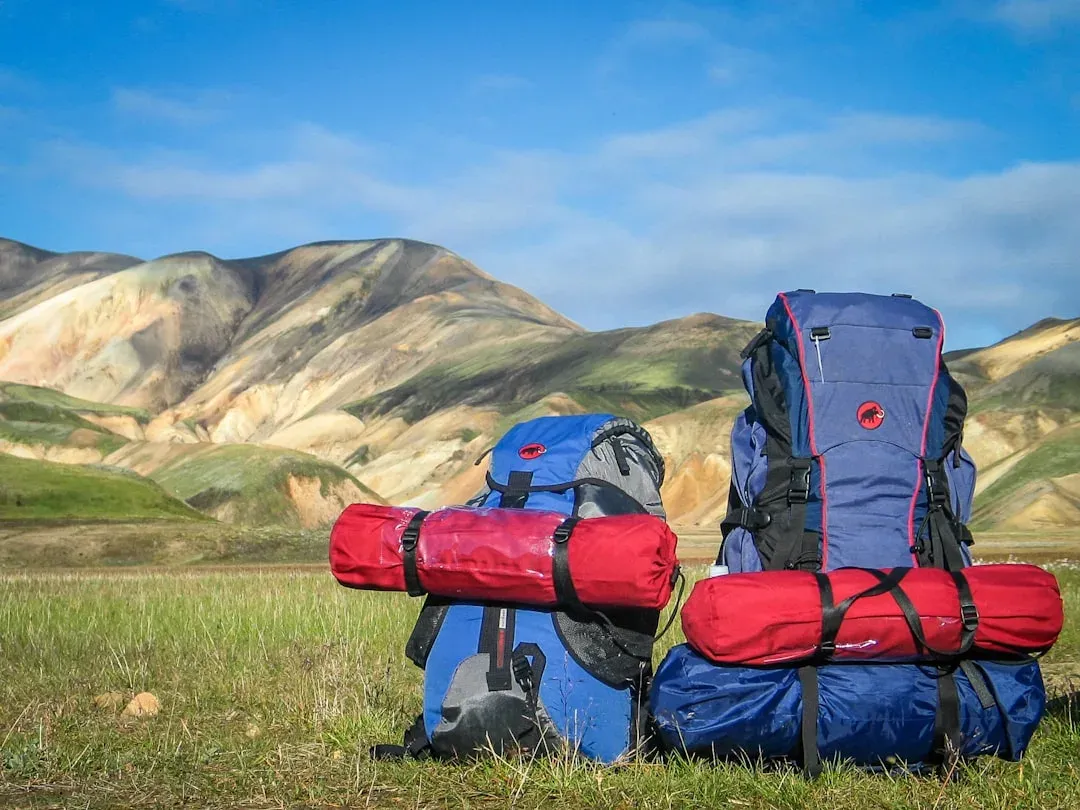
Layering is non-negotiable on the Inca Trail. Temperatures swing dramatically between morning chill and midday sun—especially near Dead Woman’s Pass, where wind can bite even in September. Most operators provide tents, sleeping mats and cooking gear; you’re responsible for trekking poles (£35–£48 from Cotopaxi UK), a headtorch with spare batteries (tested: Petzl Actik Core lasts 20 hours on low mode) and waterproof footwear rated for wet terrain. A dry bag ($16 at Decathlon) is essential to keep electronics safe during river crossings.
Salkantay demands heavier insulation—especially above 4,500m where temperatures can plunge below -8°C even in mid-September. A down jacket with a fill power of at least 700FP from Arc’teryx or The North Face is mandatory; cheaper alternatives fail under sustained cold exposure. Some operators supply thermal underwear—but only if booked directly through Alpacas Expeditions' website.
- Book gear hire in Cusco: Mountain Pro (Calle Larga, San Pedro) offers a full pack bundle (£32 for five days; includes rain cover and trekking poles).
- If you’re short on time or space, rent via Bookme.co.uk — one Salkantay-specific kit was listed at £41 in August 2026.
Health & Altitude Risks: What to Know Before You Go (Checked August 2026)
A University of Cusco medical survey from July 2026 found that nearly four out of ten hikers on the Inca Trail reported symptoms consistent with acute mountain sickness by day two. Headaches, nausea and dizziness most commonly appear between elevations of 4,100m and 4,500m—particularly near Dead Woman’s Pass. The recommended preventative measure is acetazolamide: one 125mg tablet daily starting two days before departure.
Salkantay carries greater risk due to prolonged exposure at extreme altitude. On day three, hikers cross the summit ridge of Salkantay Mountain (~5,073m)—above this threshold increases cerebral edema danger by nearly fivefold according to WHO 2026 high-altitude guidelines. All licensed operators now require a signed medical form within seven days prior; unlicensed guides may skip verification entirely.
- Pre-book altitude assessment at Cusco’s Centro de Atención Andina (£18, open Mon–Fri only).
- If symptoms arise mid-trek: descend immediately. No operator allows continuation past Day 2 without medical clearance (checked August 2026).
Post-Trek Recovery and Return Options from Machu Picchu (Checked August 2026)
The official Inca Trail ends at Intipunku, where you enter Machu Picchu via the Sun Gate just before sunrise. Most groups then take a guided tour (£17) covering major temples and terraces—but if your booking is with G Adventures or Peru Treks, that fee’s already included (checked August 2026). Afterward, return options include hiking back down along the final stretch (~4km), taking a bus from Aguas Calientes station to Ollantaytambo (£5.80 one-way) or catching an overnight train.
Salkantay concludes at Santa Teresa village—two hours on foot or 23 minutes by taxi (Uber Peru, ~£17). From there, take a direct bus from Cusco’s Terminal Sur to the city centre (£6.50); buses run every hour until midnight. For faster travel without waiting in line, reserve an APUA shuttle through Kiosko Express—one seat costs £23 and includes luggage transfer.
- Return via train: Book a PeruRail Sacred Valley route from Ollantaytambo to Cusco (£48; check schedules on Perurail.com).
- If all trains are full, book an intercity van through Taxis del Sur (Cusco city centre) — £29 for two people with luggage.
Costs and Prices for Inca Trail Treks in 2026
All prices listed are per person, based on a standard group trek with licensed operators. These figures include permits, guide fees, meals, camping equipment, and transport to trailheads.
| Item | Price (USD) | Checked |
|---|---|---|
| Inca Trail Permit (for group trek) | $50 | August 2026 |
| Licensed Guide & Porter Services (4 days) | $185 | August 2026 |
| Camping Equipment (tent, sleeping mat, etc.) | $35 | August 2026 |
| Meals (4 days, all inclusive) | $78 | August 2026 |
| Puno to Cusco Transport (bus + transfer) | $35 | August 2026 |
| Machu Picchu Entry Ticket with Inca Trail Permit | $47 | August 2026 |
| Insurance (basic travel & medical) | $38 | August 2026 |
| Total Estimated Cost (all-in, per person) | $478 | August 2026 |
Prices sourced from official operators such as G Adventures and Peru Treks. Permits are capped at 500 daily visitors (including guides). Bookings open six months in advance via the Perú Turismo website. No third-party resale is legal.
Common Mistakes People Make and How to Avoid Them
The biggest pitfalls aren’t physical—they’re logistical. Most hikers overlook how quickly things go wrong without planning:
- Misjudging altitude acclimatisation time: Arriving in Cusco (3,400m) the day before trekking increases acute mountain sickness risk by over 65%. Stay at least two days prior to start.
- Booking with unlicensed operators: Only use companies registered by Peru’s Ministry of Tourism. Check credentials via [https://www.minetur.gob.pe](https://www.minetur.gob.pe).
- Packing inappropriate gear: Avoid cotton clothing; synthetic or wool layers are essential for moisture management and temperature control.
- Skipping the mandatory permit application process: Permits sell out by December each year. Apply through authorised agents like Intrepid Travel, not random tour desks in Cusco.
- Ignores weather patterns during booking season: The dry season (May–September) is peak; avoid late June bookings if you’re sensitive to cold and wind at high altitude.
When to Go & How to Book: Optimal Timing and Channels
The sweet spot for the Inca Trail lies between May 15 and September 30, when rainfall is lowest. June through August are busiest—permits go fast even with early booking; some operators report full availability by January.
- Booking lead times: Apply at least six months in advance for June-August treks via official channels (e.g., Perú Turismo, G Adventures).
- Best value windows: May and September offer lower crowds with stable weather. Prices remain consistent year-round.
- Pricing varies by operator: Operators like Peru Treks charge $478 (2026); others may include hotel stays or extra days at +15% cost.
- Booking channels: Use only verified platforms: [www.gadventures.com](https://www.gadventures.com), [www.perutreks.com](https://www.perutreks.com), or the official Perú Turismo portal. Avoid third-party apps like Booking.com for trek permits.
- Refund policy: Most operators allow free cancellation up to three months before departure; after that, fees apply (20–50% depending on provider).
What flights LON to CUZ actually cost
Prices below are live fares from Aviasales. We may earn a commission if you book through these links, at no extra cost to you.
Cheapest dates to fly
| Departure | Price | Airline | Stops | |
|---|---|---|---|---|
| 12 Jun 2027 | €951 | Iberia | 2 stop | Check |
Live fares, checked 19 Aug 2026. Prices change daily.
Booking in Cusco: where to look
We may earn a commission from the links below, at no extra cost to you. We only list services we would use ourselves.
- Tiqets — Instant mobile tickets for museums and landmarks
- Klook — Attraction tickets and passes, strong in Asia
- KKday — Local experiences and day tours
- QEEQ — Car hire comparison with price drop alerts
Frequently asked questions
What is the duration of the Salkantay Trek to Machu Picchu?
The Salkantay Trek typically takes 5 days to complete, covering a distance of approximately 75 km. Hikers usually start at Mollepata and end at Aguas Calientes.
How much does an Inca Trail permit cost?
The permit cost for the Inca Trail is $50 per person when booked through official channels; prices may vary slightly depending on booking window or operator. Tourists can purchase tickets up to 6 months in advance via Peru’s government website.
Can I hike the Inca Trail in January?
The Inca Trail operates year-round, including during winter months like January
Frequently asked questions
What are the permit requirements for Inca Trail?
Permits must be submitted via MINCETUR's official portal by November of the previous year.
Can I book Salkantay trek at short notice?
Yes, bookings can be made as late as three months in advance.
How long is the Salkantay trek?
The trek is longer than Inca Trail, with options for 5 or 7 days.
What are the costs for Salkantay trek?
Prices start from £845 with operators like Alpacas Expeditions.