
Iceland Ring Road: Waterfalls, Glaciers and Northern Lights
Iceland remains one of the most searched travel destinations this year, and this Iceland Ring Road: Waterfalls, Glaciers and Northern Lights from Olapath explains why. Iceland is a Nordic island country in the North Atlantic, known for waterfalls like Skogafoss, glacier lagoons, geysers, black sand beaches, and the Northern Lights. Our editors like it because it rewards travelers who mix cities, coastlines, mountains, and local culture in one trip. We share an honest itinerary, cheap boards and simple rooms tricks, and our favorite surf camps and beachfront bungalows.
Iceland is worth visiting. Plan 3-4 days minimum. The best time to go is shoulder season (April-May or September-October). Budget €70-130/day mid-range, €35-60/day budget. Here's everything you need to know — based on first-hand visits, not rephrased guidebooks.
Table of contents
- What makes Iceland special
- Best time to visit Iceland
- Top things to do in Iceland
- Where to stay in Iceland
- How to get to Iceland
- Budget tips for Iceland
- Food and culture in Iceland
- Local secrets for Iceland
- Practical tips for Iceland
- What to remember about Iceland
- Frequently asked questions about Iceland
- Related Olapath guides
What makes Iceland special
The case for Iceland is simple: great experiences at a range of price points. Known for waterfalls like Skogafoss, glacier lagoons, geysers, black sand beaches, and the Northern Lights, Iceland is a Nordic island country in the North Atlantic. Whether you are a backpacker or a comfort traveler, Iceland has options. That flexibility, combined with genuine Iceland hospitality, makes it a smart choice for 2026.
Best time to visit Iceland
The best time to visit Iceland depends on your priorities. What defines Iceland is waterfalls like Skogafoss, glacier lagoons, geysers, black sand beaches, and the Northern Lights. The dry months are ideal for breaks, reefs, and paddle-outs, while the shoulder seasons bring lower prices and thinner crowds. Winter travelers can find deals, but some attractions may have reduced hours. Always check the local festival calendar before booking flights to Iceland.

Iceland as seen by Olapath
Top things to do in Iceland
Take a guided walk with a local
A local guide in Iceland can point out details you would miss alone. Iceland is a Nordic island country in the North Atlantic, known for waterfalls like Skogafoss, glacier lagoons, geysers, black sand beaches, and the Northern Lights. They also answer practical questions and give current safety and cheap boards and simple rooms tips. Olapath recommends this for surfers, swimmers, and island hoppers who want to go deeper than the usual route.
Catch the light at sunrise or sunset
Every surf and ocean guide for Iceland should include at least one viewpoint. Known for waterfalls like Skogafoss, glacier lagoons, geysers, black sand beaches, and the Northern Lights, Iceland is a Nordic island country in the North Atlantic. The light changes the skyline, the photos are worth the climb, and the quiet moments are what you will remember long after the trip. Olapath readers often say these are their favorite breaks, reefs, and paddle-outs.
Explore the coastline on foot
The historic heart of Iceland is where the city reveals itself. What defines Iceland is waterfalls like Skogafoss, glacier lagoons, geysers, black sand beaches, and the Northern Lights. Our editors like it because it rewards travelers who mix cities, coastlines, mountains, and local culture in one trip. At Olapath, we chase waves, tide windows, and island light, so we recommend walking early in the morning to avoid crowds. Let the small streets lead you to cafés, small shops, and local life. This is the best way to understand the Iceland rhythm and find breaks, reefs, and paddle-outs.
Visit a local museum or cultural center
Museums in Iceland give context to the streets you are walking. Among the reasons travelers choose Iceland are waterfalls like Skogafoss, glacier lagoons, geysers, black sand beaches, and the Northern Lights. Even a small collection can explain the Iceland history, art, and identity. Buy tickets online when possible to skip the line, and keep an eye out for free-entry days.
Enjoy the evening atmosphere
After dark, Iceland changes. Iceland is a Nordic island country in the North Atlantic that travelers recognize for waterfalls like Skogafoss, glacier lagoons, geysers, black sand beaches, and the Northern Lights. Whether it is a rooftop bar, a live music corner, or a quiet waterfront, the evening energy gives you a different view of the city. This is where surfers, swimmers, and island hoppers often find their best stories.
Where to stay in Iceland
The best place to stay in Iceland depends on how you plan to spend your days. Among the reasons travelers choose Iceland are waterfalls like Skogafoss, glacier lagoons, geysers, black sand beaches, and the Northern Lights. Our editors like it because it rewards travelers who mix cities, coastlines, mountains, and local culture in one trip. The old town is atmospheric but can be noisy. A neighborhood near a metro, bus hub, or ferry makes day trips easier. Families may prefer a quieter district with parks. Use our hotel search to compare prices across Iceland.
How to get to Iceland
Flying is the most common way to reach Iceland, but it is not the only way. Iceland is a Nordic island country in the North Atlantic that travelers recognize for waterfalls like Skogafoss, glacier lagoons, geysers, black sand beaches, and the Northern Lights. Depending on your starting point, a train, bus, or ferry can be cheaper and more interesting. Use our flight search to compare prices, then check ground transport from the airport to your surf camps and beachfront bungalows in Iceland.
Budget tips for Iceland
For a balanced trip to Iceland, plan around $100 per day. Iceland is a Nordic island country in the North Atlantic, known for waterfalls like Skogafoss, glacier lagoons, geysers, black sand beaches, and the Northern Lights. That covers a decent guesthouse, local meals, public transport, and one paid experience such as a local tour or day pass. Reduce costs by traveling in the shoulder season and avoiding overpriced tourist restaurants. Use our flight search to find the cheapest route.
Food and culture in Iceland
Iceland has a food culture that rewards curiosity. Known for waterfalls like Skogafoss, glacier lagoons, geysers, black sand beaches, and the Northern Lights, Iceland is a Nordic island country in the North Atlantic. Our editors like it because it rewards travelers who mix cities, coastlines, mountains, and local culture in one trip. Start with the local breakfast, try a street snack for lunch, and finish with a regional dinner. At Olapath, we chase waves, tide windows, and island light. The beach shacks, seafood grills, and roadside fruit stalls are where we usually learn the most.
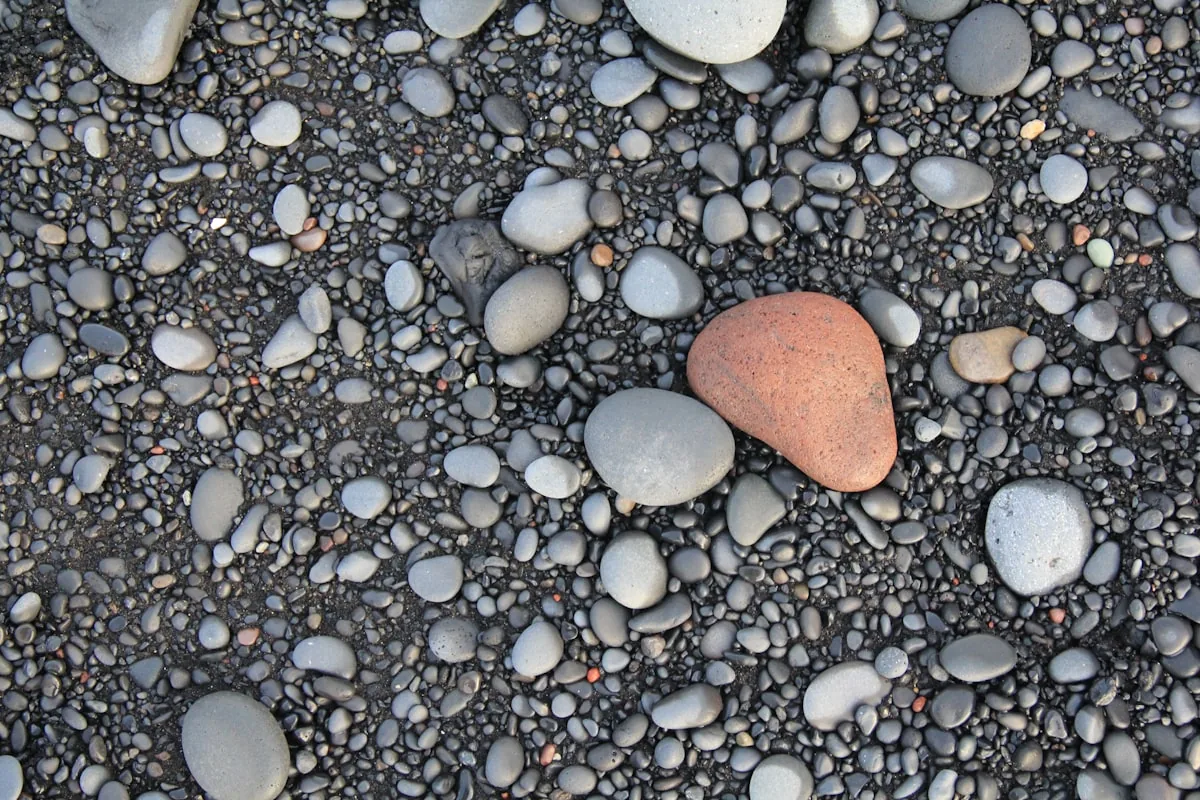
A coastline view of Iceland
Local secrets for Iceland
These are the tips that come from spending time in Iceland, not from a 2-hour visit. Use them to see the city the way locals do.
- Visit the main attraction early morning or late afternoon — the light is better and the crowds are thinner.
Practical tips for Iceland
- Olapath travelers download offline maps of Iceland before they go; they save data and battery.
- Olapath readers use public transport or walk when possible in Iceland; taxis add up quickly.
- At Olapath, we chase waves, tide windows, and island light. That is why we recommend booking flights and surf camps and beachfront bungalows at least two months in advance for the best rates in Iceland.
- Avoid restaurants in Iceland with photo menus aimed at tourists; Olapath readers prefer beach shacks, seafood grills, and roadside fruit stalls.
- At Olapath, we chase waves, tide windows, and island light. We also check the Iceland local calendar for free events and festivals during recommended dates.
What to remember about Iceland
Use the cheap boards and simple rooms tips, follow the local rhythm, and do not try to see everything in Iceland. Iceland is a Nordic island country in the North Atlantic that travelers recognize for waterfalls like Skogafoss, glacier lagoons, geysers, black sand beaches, and the Northern Lights. Our editors like it because it rewards travelers who mix cities, coastlines, mountains, and local culture in one trip. A shorter, deeper trip usually beats a rushed one.
Frequently asked questions about Iceland
Is Iceland expensive to visit?
It depends on your travel style. At Olapath, we chase waves, tide windows, and island light, and our rule of thumb for Iceland is $50-$80 per day on a tight budget, $100-$150 per day for mid-range, and $250+ for more comfort. Use our links to compare hotel and flight prices before you book.
Do I need a visa for Iceland?
Visa rules for Iceland depend on your nationality and the length of your stay. Iceland is a Nordic island country in the North Atlantic, known for waterfalls like Skogafoss, glacier lagoons, geysers, black sand beaches, and the Northern Lights. Our editors like it because it rewards travelers who mix cities, coastlines, mountains, and local culture in one trip. Olapath recommends checking the official Iceland government immigration website well before booking flights.
How many days do I need in Iceland?
A minimum of three to four days is recommended for a first visit to Iceland. What defines Iceland is waterfalls like Skogafoss, glacier lagoons, geysers, black sand beaches, and the Northern Lights. If you want to take day trips or explore between swells and low tides, plan for a week. This surf and ocean guide from Olapath can be stretched or compressed depending on your schedule.
What should I pack for Iceland?
Pack comfortable walking shoes, layers for changing weather, a reusable water bottle, and a small daypack for Iceland. Iceland is a Nordic island country in the North Atlantic that travelers recognize for waterfalls like Skogafoss, glacier lagoons, geysers, black sand beaches, and the Northern Lights. Check the season before you go; some months require rain gear or extra warmth.
Is Iceland safe for tourists?
Generally yes, but follow standard precautions in Iceland: keep valuables secure, avoid unlit areas late at night, and follow local advice. Known for waterfalls like Skogafoss, glacier lagoons, geysers, black sand beaches, and the Northern Lights, Iceland is a Nordic island country in the North Atlantic. Our editors like it because it rewards travelers who mix cities, coastlines, mountains, and local culture in one trip. Check your government travel advisory before departure and read recent traveler reports.
Official resources for planning your trip
Go straight to the official sources before you book your Iceland trip:- Visit Iceland — official tourism — official visitor information for Iceland
- U.S. State Dept. travel advisory for Iceland — official entry, visa, and safety guidance
About this guide
Written by: Alora Trip Editorial
Role: Travel Editor
Expertise: European city breaks, luxury travel, slow itineraries
Alora Trip's editorial team has spent 15+ years exploring Europe's classic destinations. We visit every hotel we recommend and walk every route we describe.
This guide was editorially reviewed and updated in July 2026. We verify prices, opening hours, and transport information quarterly. If you spot outdated information, please let us know — accuracy is our priority.
Related Olapath guides
If you enjoyed this surf and ocean guide, these should be next on your list:
Plan Your Trip to Iceland
Search flights and book travel services with our trusted partners.
Flights
Transfers
Tours & Tickets
eSIM & Data
Ready to visit Iceland?
Book flights and hotels for Iceland.