
Blue Mountains Travel Guide: Plan Your Trip with Confidence
Blue Mountains is one of those destinations that sits on every traveler's list but few actually plan for. This Olapath travel guide changes that — everything you need to know about Blue Mountains National Park, Australia, from terrain and activities to logistics, packing, and timing, so you can plan your trip with confidence.
What to expect in Blue Mountains
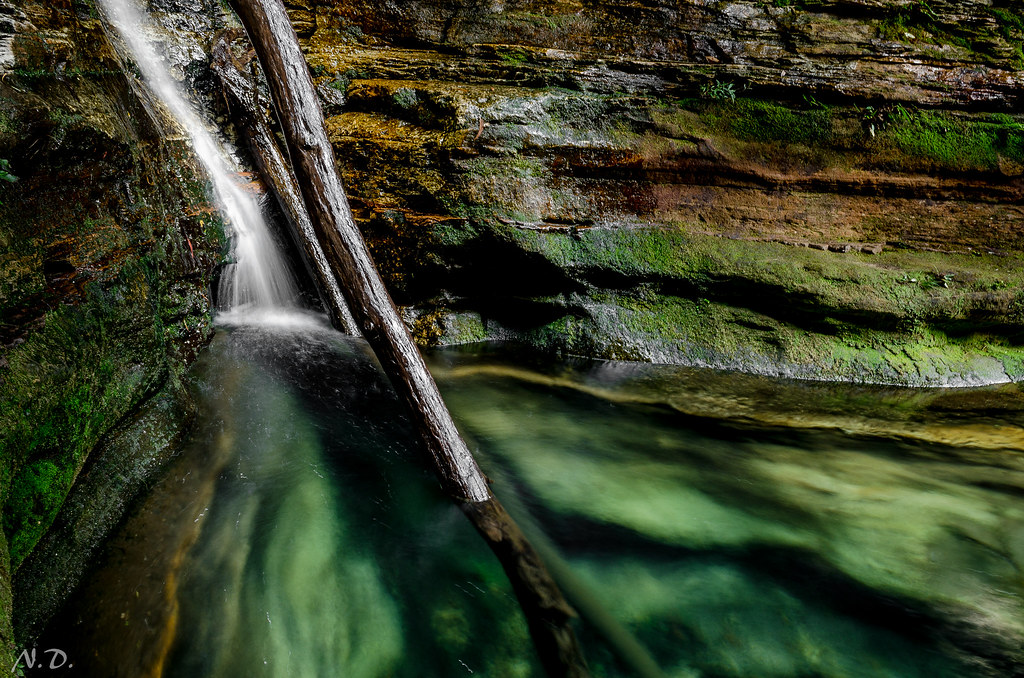
Blue Mountains is located in New South Wales, Australia. The forest is the original cathedral. Walking through an old-growth forest or a tropical rainforest is a reminder that nature was building complex systems long before we arrived. The landscape here is the real attraction — not a single viewpoint or monument, but the entire environment that makes Blue Mountains worth the journey.
The terrain around Blue Mountains is best described as forest. This shapes everything — what you pack, when you go, and what you do when you arrive. Understanding the terrain is the first step to planning a trip that lives up to your expectations.
Blue Mountains is not a resort destination. There's no concierge, no room service, no someone to carry your bags. What there is, is raw landscape, real adventure, and the kind of experience that you'll be talking about for years. If that's what you're looking for, Blue Mountains delivers. If it's not, this guide will help you decide.
When to go to Blue Mountains
Timing matters more for Blue Mountains than for most destinations. The wrong season can mean extreme weather, closed trails, or zero visibility. For New South Wales in Australia, research the local climate patterns before booking anything.
As a general rule: shoulder seasons offer the best balance of good weather, manageable crowds, and reasonable prices. Peak season has the best conditions but the most people. Off-season is quiet and cheap, but you may find limited services or challenging conditions.
Check local weather forecasts for New South Wales in the week before your trip. Adventure destinations can have microclimates — the weather at the trailhead may be completely different from the weather at the summit or the coast. Pack accordingly.
Getting to Blue Mountains
The journey to Blue Mountains is part of the adventure. Most routes involve flying into a major city in Australia and then taking ground transport to New South Wales. The final stretch — whether by bus, train, or rented car — is where the landscape changes and you start to feel where you are.
Book flights early for better prices. For ground transport, ask at your hotel or guesthouse — local advice is always better than what you'll find online, and sometimes the best route isn't the most obvious one. In Australia, the road less traveled often leads to the best experiences.
When booking flights to Australia for Blue Mountains, use price comparison tools and set up alerts. Adventure destinations often have seasonal pricing — flying just before or after peak season can save 30-40% on airfare. That savings can fund an extra day of guiding, a better lodge, or gear rental that makes the difference between a good trip and a great one.
What to do in Blue Mountains
The main activities in Blue Mountains are wildlife spotting, canopy walks, and jungle trekking. But don't treat this as a checklist — the best experiences in New South Wales are often the unplanned ones.
Explore on foot
Walking is the best way to experience Blue Mountains. You see details you'd miss from a vehicle, you can stop when something catches your eye, and you move at the pace the landscape deserves. Bring a map, but don't be afraid to put it away. The best discoveries in Blue Mountains happen when you're slightly lost.
Hire a local guide
For adventure destinations, a guide is not a luxury — it's an investment in safety and depth. A good guide knows the trails, the weather patterns, the hidden spots, and the stories that make Blue Mountains more than just a place on a map. In Australia, guides are usually affordable and their knowledge is invaluable.
Talk to other travelers
The people you meet on the trail or at the guesthouse have real-time information. Where did they go yesterday? What was closed? What surprised them? This is the most current and honest travel information you'll get. Share what you know too — it's how the adventure community works.
What to pack for Blue Mountains
Long pants and long sleeves — the insects are not a joke. A rain cover for your backpack. Binoculars if you have them. And a guide who knows the trails — getting lost in a rainforest is not an adventure, it's an emergency.
The golden rule for Blue Mountains: pack for the worst weather you might encounter, not the best. Adventure destinations are unpredictable. Being over-prepared is a minor inconvenience. Being under-prepared is a serious problem. Make a packing list, check it twice, and then add a warm layer you think you won't need.
Where to stay in Blue Mountains
Accommodation in Blue Mountains ranges from campsites and basic hostels to comfortable lodges and boutique hotels. The choice depends on your budget and your appetite for adventure.
**Budget:** Hostels and guesthouses are the backbone of adventure travel. They're cheap, social, and the owners usually have the best local knowledge. You'll meet other travelers, share routes and tips, and probably make plans together. In New South Wales, the guesthouse owners are often the best source of information about Blue Mountains — they know which trails are open, which viewpoints are best, and which weather warnings to take seriously.
**Mid-range:** Small hotels and lodges offer private rooms, hot showers, and sometimes meals included. In New South Wales, these are often family-run and have more character than chain hotels. They're the sweet spot for most travelers — comfortable enough to rest properly, affordable enough to stay longer.
**Splurge:** If Blue Mountains is a once-in-a-lifetime trip, consider spending more on accommodation. A lodge with a view of the landscape, or a hotel that arranges guided tours, can transform the experience. The extra cost is often worth it for the convenience, the comfort after a long day in forest terrain, and the access to local expertise that comes with a higher-end stay.
Food and drink in Blue Mountains
The food in New South Wales is the food of people who work outdoors — hearty, filling, and unpretentious. Try the local specialties. Eat where the guides eat — they know which places are clean, cheap, and good.
Carry snacks and water for day trips. In adventure destinations, the next meal may be hours away. A chocolate bar and a bottle of water have saved more trips than any piece of gear. And try the local tea or coffee — in Australia, the hot drinks are often better than anything you'll find at home.
Safety in Blue Mountains
Blue Mountains is generally safe for travelers who prepare properly. The main risks in forest terrain are weather, terrain, and isolation. Check conditions before you go. Tell someone where you're heading. Carry a basic first aid kit. And know your limits — turning back is not failure, it's wisdom.
Check your government's travel advisory for Australia. Register with your embassy if your country offers that service. And get travel insurance that covers adventure activities — standard policies often exclude them. Read the fine print carefully.
Plan your trip to Blue Mountains with confidence
Blue Mountains is a destination that rewards preparation. The more you know before you go, the more you'll get out of the experience. This guide is your starting point — but the real planning happens when you book the ticket, pack the bag, and step off the plane in Australia. Everything before that is research. Everything after is the trip.
The best advice for Blue Mountains is simple: go prepared, go humble, and go ready to be surprised. The landscape will do the rest.
Photography tips for Blue Mountains
The landscape at Blue Mountains deserves to be photographed, but don't let the camera dominate the experience. Shoot during golden hour — the hour after sunrise and the hour before sunset — when the forest terrain looks its most dramatic. Midday light is flat. Morning and evening light has depth, warmth, and direction.
If you're shooting on a phone, use panorama mode for wide landscapes and portrait mode for close-up textures — rock formations, plant life, water surfaces. A small tripod helps for sunrise and sunset shots when the light is low.
Put the camera away sometimes. Blue Mountains is not a photoshoot. It's a place. The best memories are the ones you experienced directly, not the ones you viewed through a screen.
Best viewpoints in Blue Mountains
Every destination has viewpoints that locals know and tourists don't. Ask at your guesthouse, at the trailhead, at the park entrance — where is the best place to watch the sunrise? Where does the sunset hit the landscape just right?
The main viewpoint at Blue Mountains is where everyone goes. But the best viewpoint is usually a short walk further, past where most people turn back. The crowd thins, the perspective changes, and you get a view that's yours alone. This is the photo you'll frame. This is the memory you'll describe.
Responsible travel in Blue Mountains
Blue Mountains is a destination that depends on visitors being respectful. Stay on marked trails — going off-trail in forest terrain can damage fragile ecosystems. Don't feed wildlife — it changes their behavior and makes them dependent on humans. Pack out everything you pack in, including fruit peels and biodegradable waste.
Support the local economy. Buy from local vendors, not international chains. Hire local guides. Stay in locally-owned guesthouses. The community around Blue Mountains is the reason it's still beautiful — your money helps them keep it that way.
Related Olapath guides
- [Adventure destinations](/blog)
- [Mountain travel guides](/blog)
- [Coastal and island trips](/blog)
- [National park guides](/blog)
Planning your trip to Blue Mountains
If you found this guide helpful, here are some common searches that bring travelers to Blue Mountains: blue mountains travel guide, blue mountains tour guide, blue mountains tourist guide, blue mountains tour guide jobs. Whether you're looking for the best time to visit, where to stay, or what to do in Blue Mountains National Park, Australia, this guide covers the essentials.
Plan Your Trip to Blue Mountains National Park, Australia
Search flights and book travel services with our trusted partners.
Transfers
Tours & Tickets
eSIM & Data
Ready to visit Blue Mountains National Park, Australia?
Book flights and hotels for Blue Mountains National Park, Australia.