
Plitvice Lakes National Park Travel Guide: Plan Your Trip with Confidence
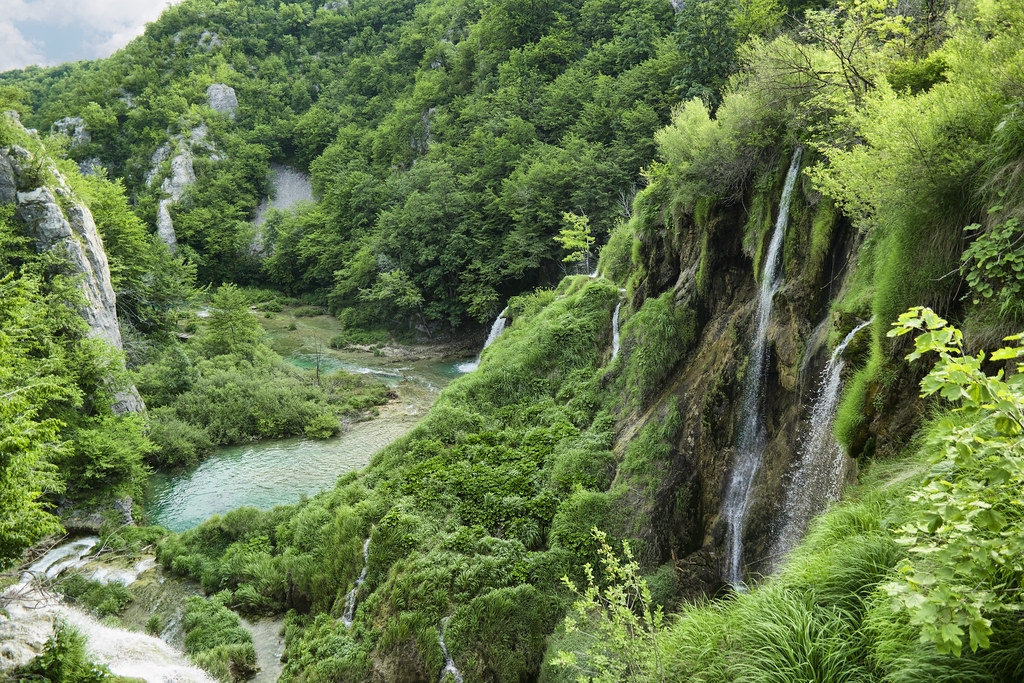
Plitvice Lakes National Park is a UNESCO World Heritage Site in Plitvice, Croatia, inscribed in 1979. 16 terraced turquoise lakes linked by 90 waterfalls, surrounded by beech and pine forest with brown bears and wolves. This Olapath travel guide gives you everything you need to plan your trip with confidence — terrain, activities, logistics, packing lists, and what to expect when you get there.
What makes Plitvice Lakes National Park special
16 terraced turquoise lakes linked by 90 waterfalls, surrounded by beech and pine forest with brown bears and wolves. UNESCO recognized Plitvice Lakes National Park for its outstanding universal value, which means this place matters to all of humanity, not just to Croatia. When you visit, you're not just seeing a destination — you're witnessing something the world has agreed is worth protecting.
The forest is the original cathedral. Walking through an old-growth forest or a tropical rainforest is a reminder that nature was building complex systems long before we arrived. The landscape of Lika-Senj in Croatia is not a backdrop — it's the main event. Plitvice Lakes National Park demands that you pay attention, that you prepare, and that you show up ready. The reward is an experience that no city break can match.
Planning your trip to Plitvice Lakes National Park
The key to Plitvice Lakes National Park is timing. Go in the wrong season and you'll either freeze, melt, or get rained out. For Lika-Senj in Croatia, the best months are typically during the dry season — check local conditions before booking. The difference between a great trip and a miserable one is often just the month you choose.
**Visa and entry:** Check Croatia's visa requirements for your nationality. Many countries offer visa-free entry or visa-on-arrival, but some require advance application. Don't leave this to the last minute — visa processing can take weeks.
**How long to stay:** Plan for a minimum of three full days. Plitvice Lakes National Park is not a day trip — it's a destination that rewards depth. Five to seven days is ideal if you want to explore beyond the main site and experience Lika-Senj at different times of day.
**Budget:** Croatia can be more affordable than you think, but adventure destinations have hidden costs — park fees, guide fees, gear rental, transport to remote areas. Budget 30% more than you think you'll need.
Getting to Plitvice Lakes National Park
Most travelers fly into the nearest major city in Croatia and then take ground transport to Plitvice Lakes National Park. The journey from the airport is part of the experience — the landscape of Lika-Senj unfolds gradually, and you arrive with a sense of where you are, not just what you're seeing.
Domestic flights within Croatia can save time but cost more. Buses are cheaper and give you a closer look at the country. Trains, where available, are often the best of both worlds. For the final stretch to Plitvice Lakes National Park, a rented car gives you the most flexibility — but make sure you're comfortable driving in Croatia's road conditions.
When booking your flight to Croatia, compare prices across multiple airlines and booking platforms. Sometimes arriving at a secondary airport and taking ground transport is cheaper than the main route. Set up price alerts and book when the price drops — adventure destinations like Plitvice Lakes National Park have seasonal price patterns that you can take advantage of with a little patience.
What to do in Plitvice Lakes National Park
The main activities here are wildlife spotting, canopy walks, and jungle trekking. But Plitvice Lakes National Park is more than its activities — it's a place where the landscape itself is the attraction.
The main site
Arrive early. Not at opening time — an hour before that, if possible. The light is better, the crowds are thinner, and the experience is completely different from midday when the tour groups arrive. Spend the first hour just looking. Don't take photos yet. Let your eyes adjust. The details that matter are the ones you notice after the first glance.
The surroundings
The area around Plitvice Lakes National Park is often as spectacular as the site itself. Ask locals about viewpoints, trails, or nearby villages that aren't in the guidebooks. These are the places that make your trip unique. The guidebook version of Plitvice Lakes National Park is the same for everyone. The version you discover by talking to the park ranger or the guesthouse owner — that's yours alone.
Wildlife and nature
If Plitvice Lakes National Park is a natural site, the wildlife is the headline. Bring binoculars. Be quiet. Be patient. The animals are not on your schedule — they're on theirs. Early morning and late afternoon are when wildlife is most active. Midday is when they rest, and so should you.
What to pack for Plitvice Lakes National Park
Long pants and long sleeves — the insects are not a joke. A rain cover for your backpack. Binoculars if you have them. And a guide who knows the trails — getting lost in a rainforest is not an adventure, it's an emergency.
The golden rule for Plitvice Lakes National Park: pack for the worst weather you might encounter, not the best. Adventure destinations are unpredictable. Being over-prepared is a minor inconvenience. Being under-prepared is a serious problem. Check the weather forecast before you go, but don't trust it completely — mountain weather changes fast.
Where to stay near Plitvice Lakes National Park
The accommodation near Plitvice Lakes National Park ranges from basic guesthouses to comfortable lodges. The closer you stay to the site, the more you pay — but the earlier you can arrive in the morning, which is worth the premium.
If you're on a budget, stay in the nearest town and take the first transport to the site in the morning. You'll save money and still beat the crowds. Guesthouses in Lika-Senj are often family-run, and the owners have a wealth of local knowledge that no guidebook can match.
For a more immersive experience, look for eco-lodges or community-run guesthouses. These support local conservation and give you a connection to the place that a hotel chain never will. The money you spend stays in the community that protects Plitvice Lakes National Park.
Food and drink near Plitvice Lakes National Park
The food near Plitvice Lakes National Park reflects the traditions of Lika-Senj. Simple, hearty, and made with local ingredients. If there's a regional specialty, try it — even if it sounds unusual. The most memorable meals are often the ones you were unsure about.
Drink bottled or filtered water. In remote areas of Croatia, tap water is not always safe. Carry snacks for long days — the nearest restaurant may be further than you think. A chocolate bar, some nuts, and a bottle of water have saved more trips than any piece of technical gear.
Safety and responsible travel
Plitvice Lakes National Park is a protected site for a reason. Follow the rules — they exist to preserve the place for future generations. Stay on marked trails. Don't touch artifacts or wildlife. Take your trash with you. And if you hire a guide, choose someone local — your money stays in the community that protects the site.
Check your government's travel advisory for Croatia before booking. Most adventure destinations are safe with normal precautions, but conditions can change. Register with your embassy if your country offers that service for Croatia.
Get travel insurance that covers adventure activities — standard policies often exclude hiking, climbing, and other outdoor pursuits. Read the fine print. If you're doing wildlife spotting, canopy walks, and jungle trekking in Plitvice Lakes National Park, make sure your policy covers it.
What to remember about Plitvice Lakes National Park
Plitvice Lakes National Park is not just a destination — it's a commitment. It takes effort to get there, effort to explore, and effort to appreciate. But that's the point. The places that change you are never the easy ones. The forest is the original cathedral. Walking through an old-growth forest or a tropical rainforest is a reminder that nature was building complex systems long before we arrived. Plitvice Lakes National Park is one of those places.
When you come back from Plitvice Lakes National Park, you'll notice something. The photos don't capture it. The stories don't quite explain it. The experience lives in a place that language can't reach. That's how you know it was worth it.
Photography tips for Plitvice Lakes National Park
The landscape at Plitvice Lakes National Park demands a camera, but don't let the camera get between you and the experience. Shoot during golden hour — the hour after sunrise and the hour before sunset — when the light turns the forest landscape into something otherworldly. Midday light is flat and harsh. Early morning light is soft and directional.
Bring a wide-angle lens for the landscapes and a telephoto for wildlife. If you're shooting on a phone, use the panorama mode for wide views and portrait mode for close-ups of textures — rock patterns, plant life, water surfaces.
Most importantly, put the camera away sometimes. Plitvice Lakes National Park is not a photoshoot. It's a place. Experience it with your eyes first, your camera second.
Best viewpoints at Plitvice Lakes National Park
Every adventure destination has viewpoints that locals know and guidebooks don't. Ask at the entrance, at your guesthouse, at the trailhead — where is the best place to watch the sunrise? Where does the sunset hit the landscape just right?
The main viewpoint at Plitvice Lakes National Park is obvious — it's where everyone goes. But the best viewpoint is usually a short walk further, past where most people turn back. The crowd thins, the perspective changes, and you get a view that's yours alone. This is the photo you'll frame. This is the memory you'll describe.
Responsible travel at Plitvice Lakes National Park
Plitvice Lakes National Park is a UNESCO site because it's irreplaceable. Your job as a visitor is to leave it exactly as you found it. Stay on marked trails — going off-trail in forest terrain can damage fragile ecosystems that took centuries to form. Don't feed wildlife — it changes their behavior and makes them dependent. Pack out everything you pack in, including fruit peels and biodegradable waste.
Support the local economy. Buy from local vendors, not international chains. Hire local guides. Stay in locally-owned guesthouses. The community around Plitvice Lakes National Park is the reason it's still intact — your money helps them keep it that way.
Related Olapath guides
- [Adventure destinations](/blog)
- [UNESCO natural sites](/blog)
- [Mountain travel guides](/blog)
- [Coastal and island trips](/blog)
Planning your trip to Plitvice Lakes National Park
If you found this guide helpful, here are some common searches that bring travelers to Plitvice Lakes National Park: plitvice lakes national park travel guide, plitvice lakes national park guided tour, plitvice lakes national park guided tour from split, plitvice lakes national park self guided tour. Whether you're looking for the best time to visit, where to stay, or what to do in Plitvice, Croatia, this guide covers the essentials.
Plan Your Trip to Plitvice, Croatia
Search flights and book travel services with our trusted partners.
Transfers
Tours & Tickets
eSIM & Data
Ready to visit Plitvice, Croatia?
Book flights and hotels for Plitvice, Croatia.