
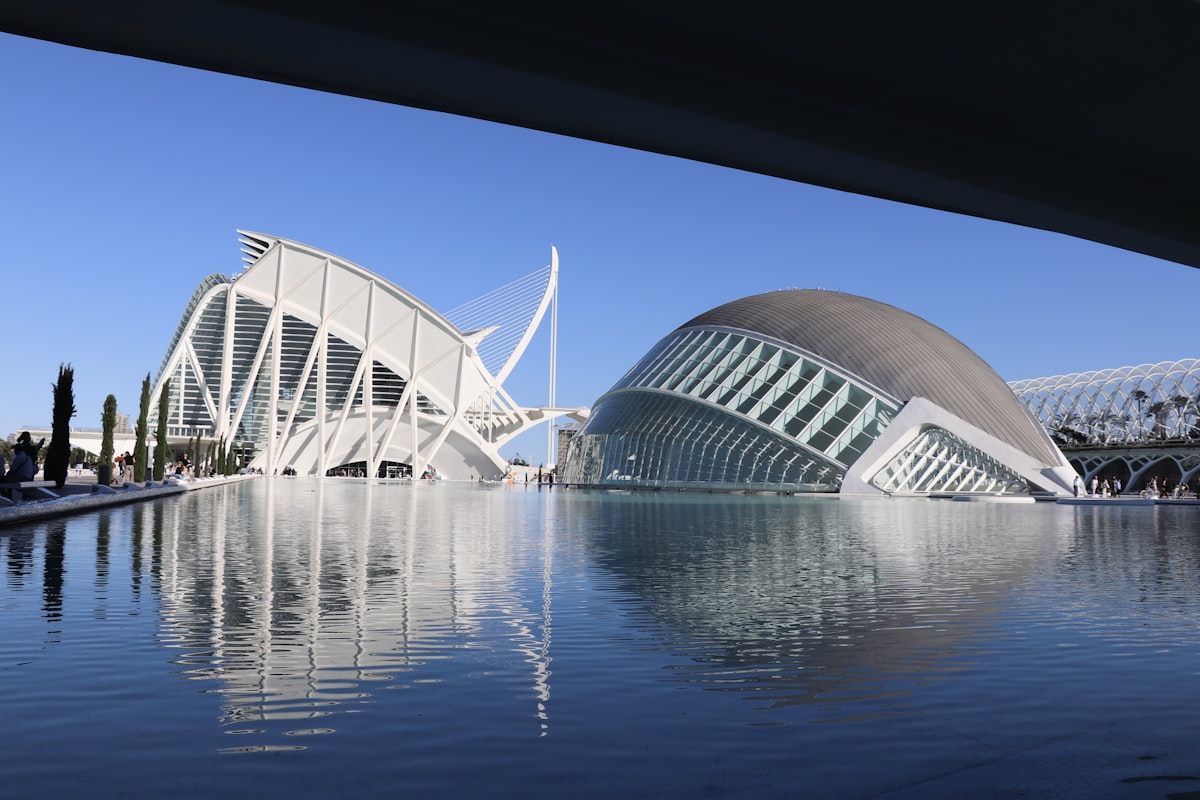
Brussels Travel Guide: Everything You Need to Know
Whether you are planning a short weekend getaway or a full week of exploration, this guide gives you real prices, honest advice, and actionable tips. No fluff — just the information you need to make smart travel decisions in Brussels.
Table of contents
Quick facts about Brussels
Best time to visit Brussels
Visit Brussels between November and April for the best weather conditions. December through February is peak season with higher prices and more tourists. March to May offers excellent weather with fewer crowds and better deals on accommodation.
Seasonal breakdown:Top 7 things to do in Brussels
1. Cultural walking tour of the historic center
Free to 10 EUR. Explore the historic center of Brussels on foot. Most cities in Brussels have a colonial or old quarter with architecture, churches, and plazas. A self-guided walk takes 2-3 hours; guided tours cost 8-15 EUR and include historical context.2. Local market visit
Free entry, 5-15 EUR for food and souvenirs. Markets in Brussels open early (5-6 AM) and close by mid-afternoon. This is where locals shop for fresh produce, spices, and household goods. It is also the cheapest place to try street food — expect to pay 1-3 EUR per item.3. Nature day trip
15-30 EUR including transport. The landscapes around Brussels range from coastal areas to mountain trails. A guided day trip typically includes transport, a local guide, and sometimes lunch. Book through your hostel or a local agency for the best prices.4. Cooking class
20-40 EUR. Learn to cook Belgium dishes with a local chef. Most classes include a market visit to buy ingredients, hands-on cooking instruction, and a full meal. This is one of the best ways to understand the culture of Brussels.5. Sunset viewpoint
Free. Every destination in Brussels has a spot where locals gather to watch the sunset. Ask at your accommodation — they will know the best viewpoint in Brussels. Bring a drink, arrive 30 minutes before sunset, and enjoy.6. Temple or religious site visit
2-5 EUR entry. Belgium has significant religious and spiritual sites. Dress modestly (cover shoulders and knees), remove shoes before entering, and ask before taking photographs. These sites offer a quiet contrast to the busy markets.7. Local festival or event
Free to 10 EUR. Check the local calendar before your trip. Brussels hosts regular festivals, night markets, and cultural events. These are the best opportunities to see traditional music, dance, and food in one place.Where to stay in Brussels
Budget options:How to get to Brussels
International flight: 300-800 EUR round trip from major European cities. Book 6-8 weeks ahead for the best prices. Use flight comparison sites and set price alerts. Domestic connection: 20-80 EUR from the capital of Belgium. Options include:Daily budget in EUR and USD
| Category | Budget (EUR) | Mid-range (EUR) | USD (approx) |
| Accommodation | 10-25 EUR/night | 30-80 EUR/night | $11-86 |
| Food (3 meals) | 6-12 | 15-30 | $7-32 |
| Transport | 2-8 EUR/day | 5-12 | $2-13 |
| Activities | 0-10 | 15-40 | $0-43 |
| Misc (SIM, water) | 3-5 | 5-10 | $3-11 |
| Total per day | 19-52 | 65-172 | $21-$186 |
Local food guide
Belgium cuisine is one of the highlights of visiting Brussels. Here is what to eat and what to pay:
Safety and health tips
Brussels is generally safe for tourists who exercise normal precautions. Here are practical health and safety tips:
1. Drink bottled water — tap water is not safe for tourists in most of Belgium 2. Use mosquito repellent — especially at dawn and dusk, dengue is present in tropical areas 3. Bring sunscreen — SPF 30+ minimum, the sun in Belgium is strong year-round 4. Carry a basic first aid kit — bandages, antiseptic, pain relievers, stomach medication 5. Keep copies of documents — passport, visa, insurance — stored separately from originals 6. Get travel insurance — costs 3-8 EUR/day and covers medical emergencies and theft 7. Avoid isolated areas at night — stick to well-lit, populated streets after dark
Sample 3-day itinerary
Day 1: Arrival and orientationPractical tips for Brussels
1. Get a local SIM card at the airport — 5-10 EUR for 5-10 GB data. Much cheaper than roaming. 2. Carry cash — many local shops, markets, and small restaurants do not accept cards. 3. Use ride-hailing apps like Grab or local equivalents for fair, transparent pricing. 4. Book accommodation 2-3 weeks ahead for better rates, especially during peak season. 5. Learn basic phrases — hello, thank you, how much, where is — in the local language. 6. Keep small bills — vendors rarely have change for large notes. 7. Download offline maps — Google Maps offline or Maps.me for areas without WiFi. 8. Bring a power bank — you will use your phone for photos, maps, and translation all day.
Related Olapath guides
Plan Your Trip to Brussels, Belgium
Search flights and book travel services with our trusted partners.
Transfers
Tours & Tickets
eSIM & Data
Ready to visit Brussels, Belgium?
Book flights and hotels for Brussels, Belgium.